Trash Day #4: With ALF, All Things Are Possible

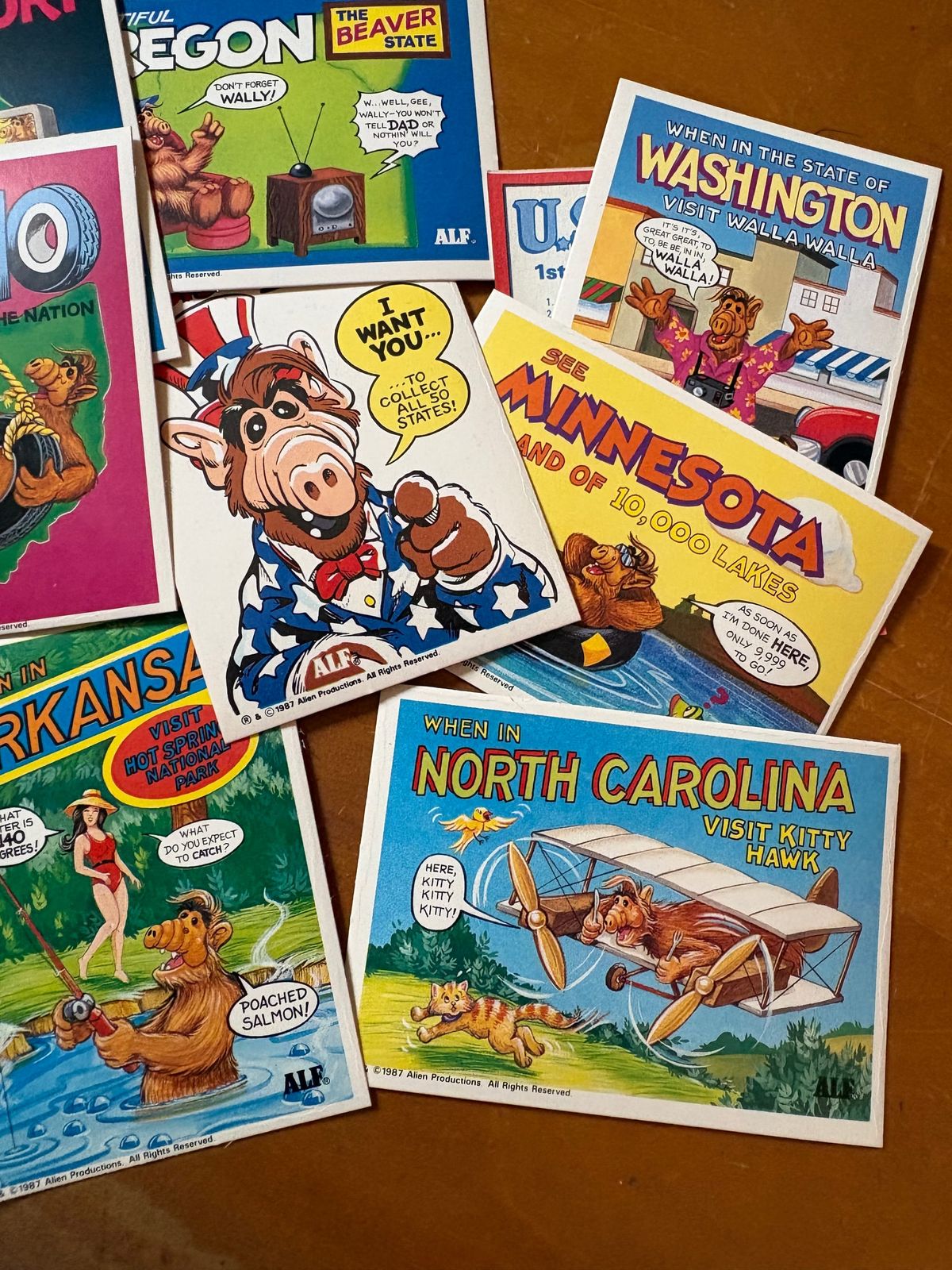
Whenever I go to Comicazi in Davis Square I like to check out their latest batches of trading card packs. My childhood coincided with a Golden Age of cards between Garbage Pail Kids, Marvel Universe, and new releases that coincided with each year's blockbuster movies. The secondary market for old cards seems to have exploded in recent years, given that some packs I come across at Comicazi and elsewhere can go for as much as $15 or more. Then there are the card packs that align better with my trading card budget. When I saw a healthy stock of 1987's United States of ALF series of sticker cards, I knew I had to leave the store with some in my possession. Will I collect all 50? Stay tuned!
ALF's ubiquity at a certain point in American popular culture can not be overstated, but my recollection is that our man from Melmac burned brightly but also quickly. His ascent seemed to quickly pivot into a descent, lacking the staying power of, say, a Steve Urkel. I definitely had ALF Fever for a brief spell, but it mainly materialized via the acquisition of one of Burger King's "Cookin' With ALF" puppets and an occasional comic book. The sitcom was not in heavy rotation in our home; I can't imagine my father lasting more than fifteen seconds of any of the episodes I have seen later in life. Then and now, ALF was far more compelling as a meme that lightly acknowledged his sitcom lore: he's an alien puppet who interacts with humans, he tells bad jokes to someone named Willie, he eats cats. So the incarnation of ALF I am getting via the United States of ALF is honestly preferable to revisiting any longer story featuring ALF in it.
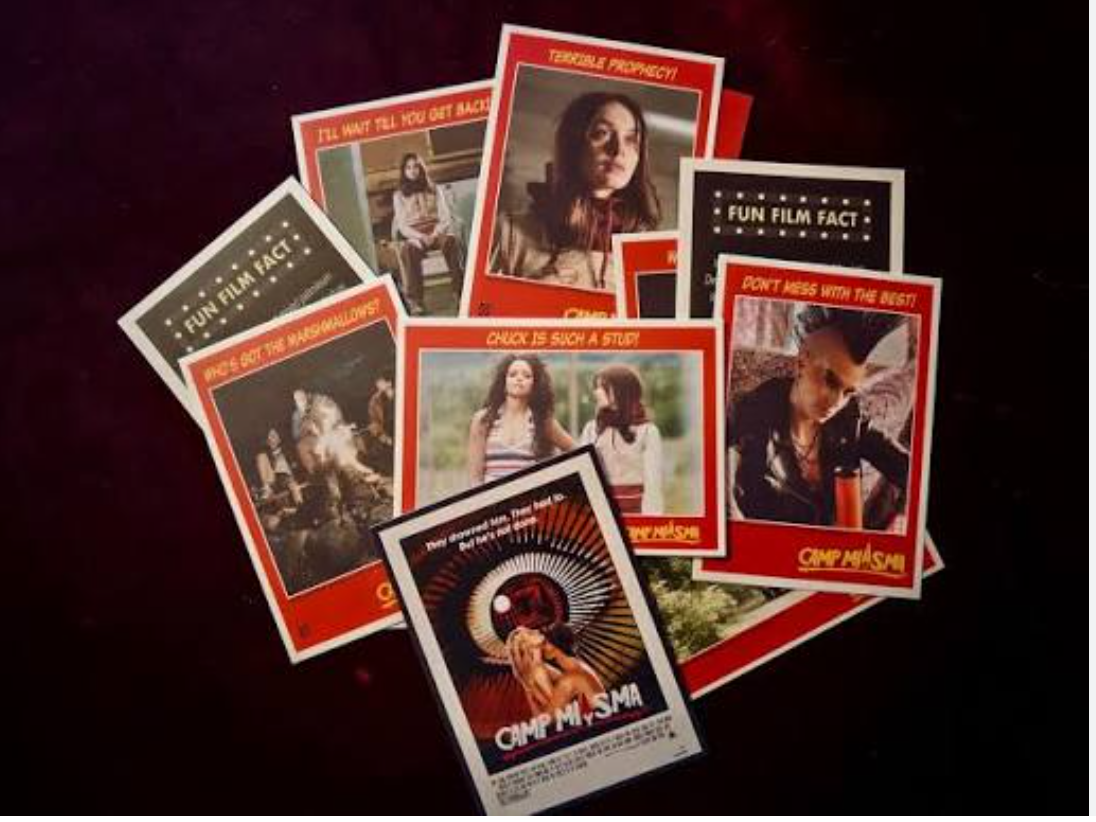
I've been shuffling through these recently-acquired ALF cards a bit after watching Jane Schoenbrun's Teenage Sex and Death at Camp Miasma. The opening credits feature an exhibition of merchandise and memorabilia from the imagined 1980s Camp Miasma slasher series, and all of it is lovingly created to align with the design choices and aesthetics of the period. Yes, there are sticker cards (and yes, you, the viewer of Teenage Sex and Death at Camp Miasma, can buy them)!
The carefully curated view of early 1980s slashers and the deference paid to the aesthetics and material culture of the past are playfully upended throughout the movie that follows these early images. Schoenbrun constructs the cultural legacy of their imagined Camp Miasma franchise through trading cards, posters, NES games, and bootleg Halloween costumes, but in the telling of Teenage Sex and Death we also see sequences that diverge wildly from the conventions previously acknowledged, most notably in scenes from the original Miasma film that abruptly shift into a CGI-laden bloodbath set to a Counting Crows song. Characters die but don't stay dead, less so via plot devices that explain and justify their continued existence and more through a rejection of the conventions of the genre they have been assigned to perform.
A "Final Girl" is often all alone at the end of a slasher film's carnage, spared to reenact their trauma (and experience new horrors) to sate the appetites of their antagonists and the audiences who want to see them again. But actress Billy Presley (played by Gillian Anderson) rejects the terms of the arrangement, refusing to revive her role in the Camp Miasma sequels and parting ways with her antagonist, Little Death. So despite her survival on the screen, Presley is "dead" to the franchise and to the industry that prefers to prioritize the perceived needs of its consumers over the desires of the bodies that its performers inhabit.
Like I Saw The TV Glow, Teenage Sex and Death at Camp Miasma mediates an allegorical narrative of trans identity and experience through pop culture desires and affinities. I Saw The TV Glow told this story in a more traditional manner, connecting the blurring between audience and art to elements of speculative fiction and fantasy. Teenage Sex and Death at Camp Miasma opts for a more metafictional and postmodern approach, shifting form and changing the rules of its own game as it runs.
I found that Camp Miasma ultimately unraveled itself a bit too much, laying bare its core preoccupation with desire (written in all-caps by Schoenbrun's stand-in character at one point) at the expense of its characters and its cast, who were left coated not just in layers of blood by that point but also by gallons of self-deprecation and self-absorption. There's a strange tension between Miasma's obsessions with playfulness, its desires for freedom, its people-pleasing tendencies, its anxieties about being perceived by anyone but themselves. Todd Haynes mines similar terrain in Velvet Goldmine but to greater effect, I think. Camp Miasma felt like watching someone trying to make a movie and record a director's commentary simultaneously at times.
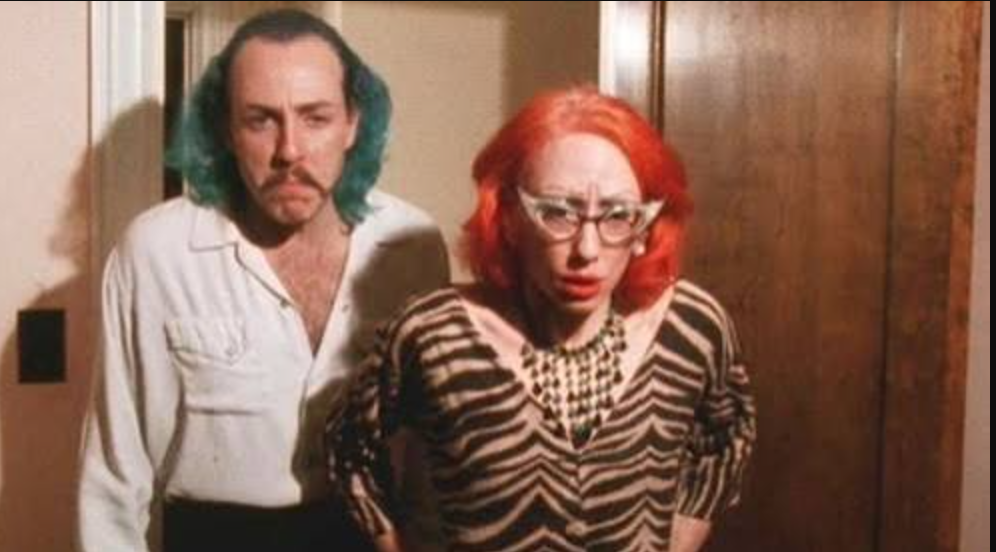
I have been on a bit of a John Waters kick so I finally made time to watch Pink Flamingos. Lived up to the hype as Trash (complimentary) and then some. Good heavens. I especially loved the descent of Connie and Raymond Marbles and their frustrations with Divine's status as The Filthiest Person Alive. I think I prefer watching how John Waters and Divine react to being perceived in ways they don't appreciate. In an interview with Jim Jarmusch that's included with the Criterion Collection version of Pink Flamingos, Waters playfully defends the actions of Divine by explaining that none of the ultraviolence here would have transpired if she had just been left alone. Smile for the camera!
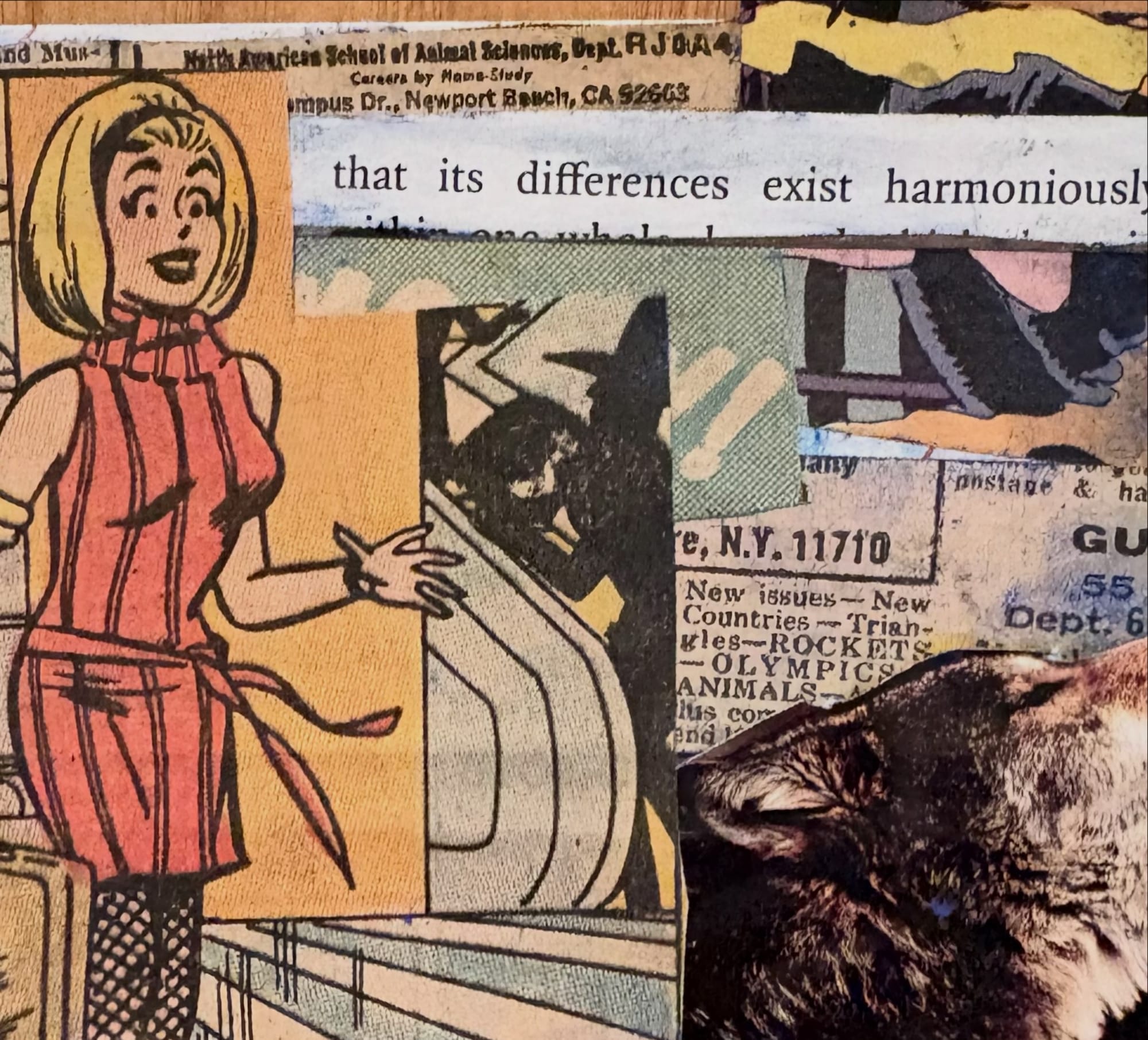
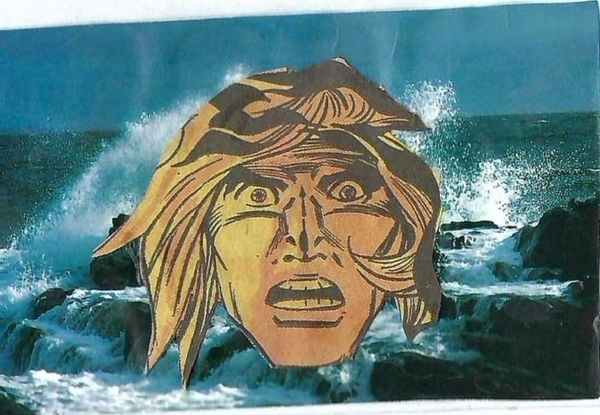
I'm still doing my collages and you can see the most recent offerings over on Instagram.
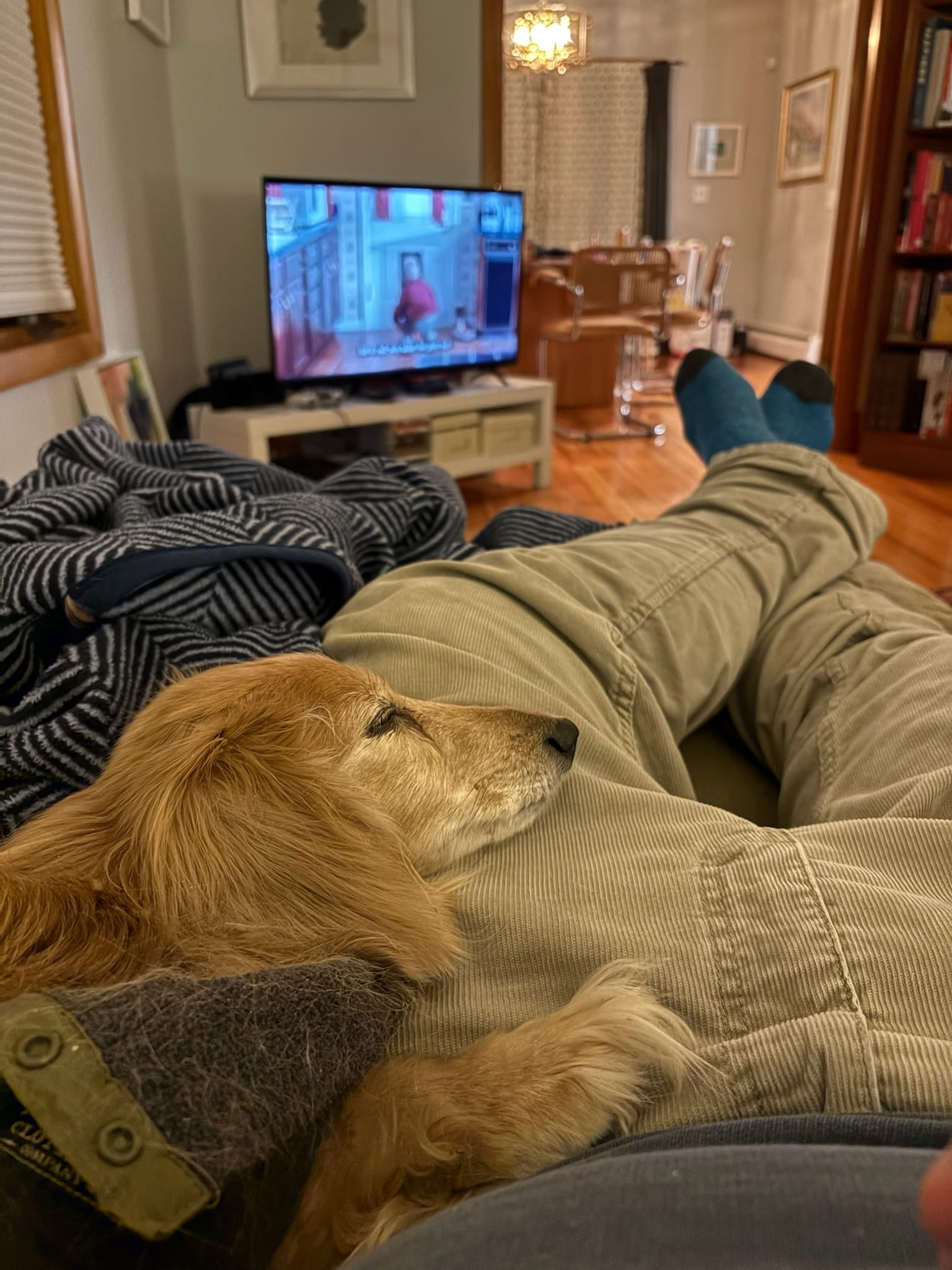
Not much else to say this go-round, unfortunately. My dog passed away a few weeks ago and the end-of-life care combined with the post-death sadness have kind of cast a bit of a fog around everything these past few months. Talk about Miasma! Anyway, here's a picture of Charlie from better times to close things out on.
Feel free to chat with me on Bluesky or email me: jimmcgrath[dot]us[at]gmail